Lean principles / Kitting and kit carts
Kitting: the operator gets the kit, not the warehouse
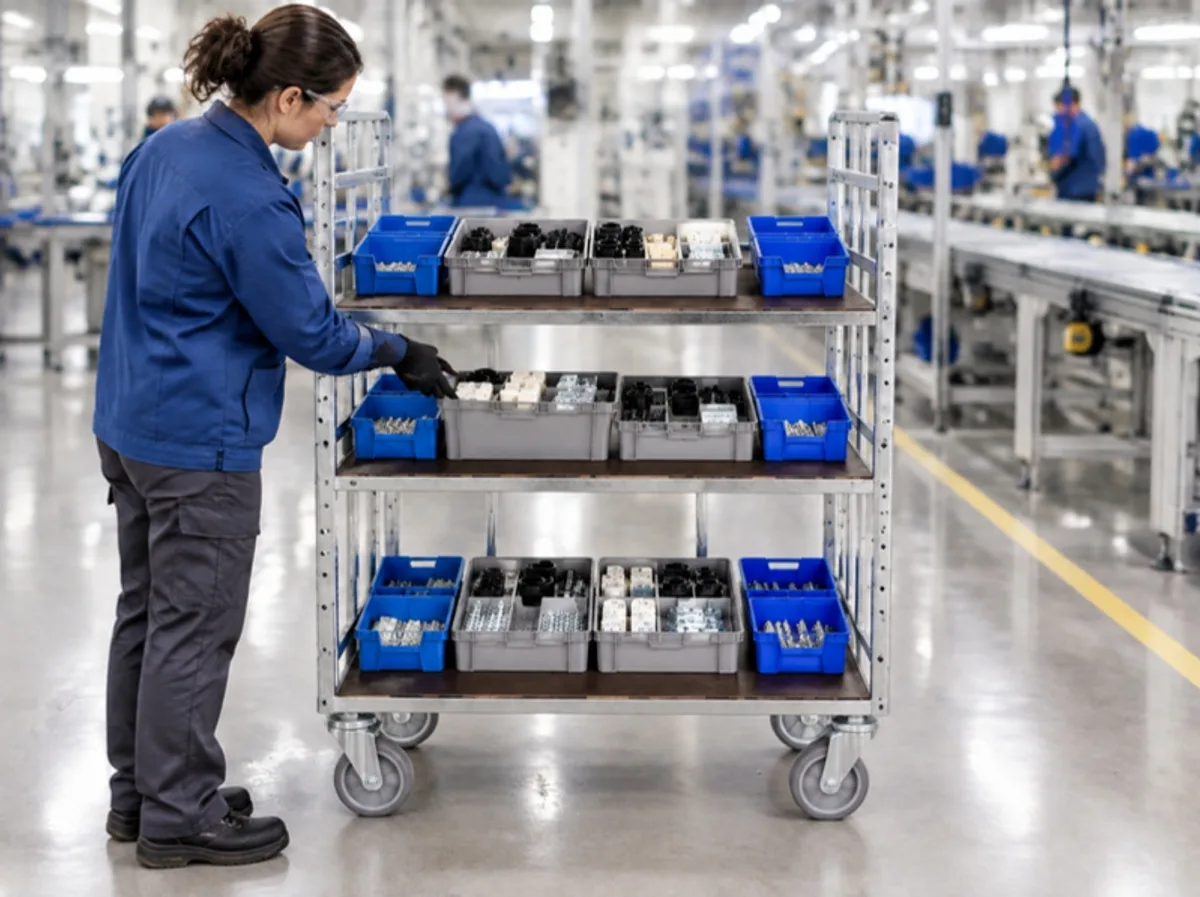
With kitting, the components for an operation reach the workstation already picked, in a cart or container for each product or cycle. Less stock at the line side, less searching, fewer assembly errors: the operator takes parts from the kit and the empty kit goes back to the supermarket.
In the train or pushed
Scissor carts
Green Frame carts
KLT, open-front bins, drawer cabinets
When kitting pays off
When the line assembles many variants, keeping a container for every part number at the line side takes up space and causes mistakes. The kit brings only the parts for the product that is coming next, in the order they are needed.
The kit is prepared at the supermarket, travels on the tugger train or is pushed by hand, and stops at a fixed point at the workstation. The right cart makes picking fast and the return of empties automatic.
How to spot it on the shop floor
Signal 1
Line side crowded with containers of different part numbers, and never enough space.
Signal 2
Assembly errors caused by similar parts taken from the wrong container.
Signal 3
Operators leaving the workstation to fetch components.
01
The kit cart
Shelf carts that travel in the tugger train or are pushed by hand to the workstation.
The problem
Kits prepared in cardboard boxes and put down wherever there is room.
The solution
Three-shelf LL Taxi cart for the LiftLiner® train, deck for Carrello LL for mixed loads, raised dollies for light kits and Taxi Liner to bring dollies in any order.
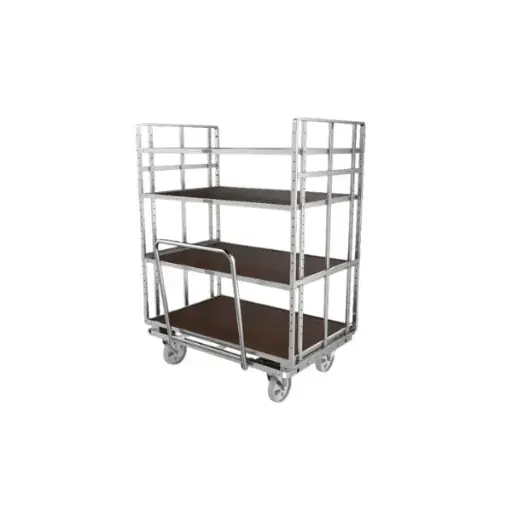
LL Taxi cart
3 shelves for kits and KLT
1200×800 mm base, 500 kg; loading and unloading from both sides, in the train or pushed.
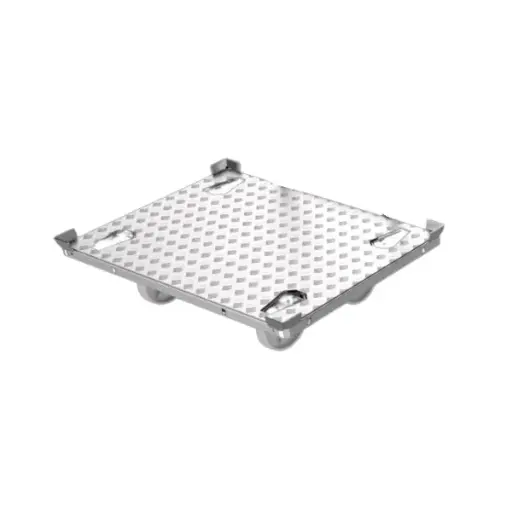
Deck for Carrello LL
Platform for mixed loads
1200×800 or 1200×1000 mm, anti-slip plywood or aluminium tread plate.
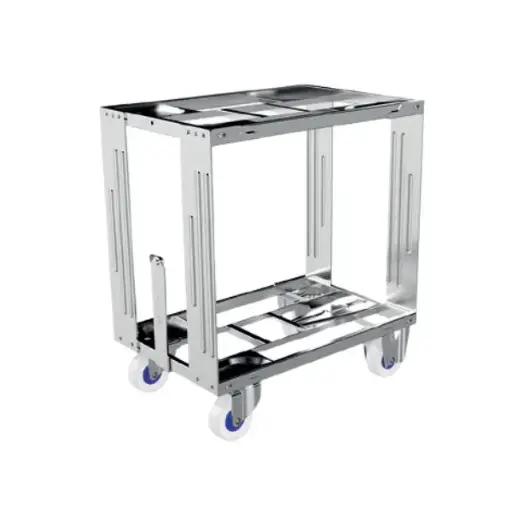
Dolly Type VII C
Light kits at the right height
Raised deck, 683 mm high, 70 kg; travels in the tugger train.
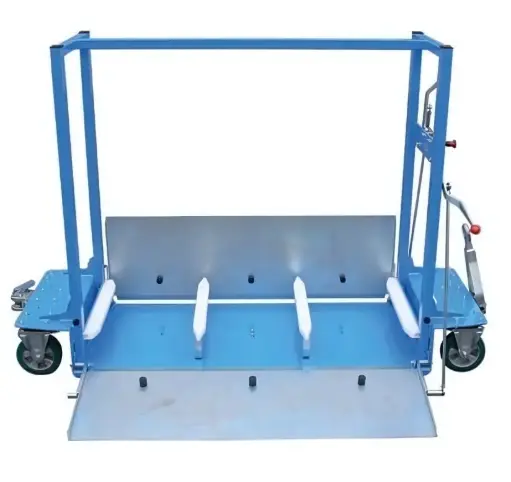
Taxi Liner
3 bays for 600×400 dollies
Take the dolly you need without uncoupling the others.
See also: Tugger train and milk run · Milk run
02
The kit at working height
The cart carries the kit and raises it to workstation height: no bending to pick.
The problem
Heavy kits placed on the floor or on low carts.
The solution
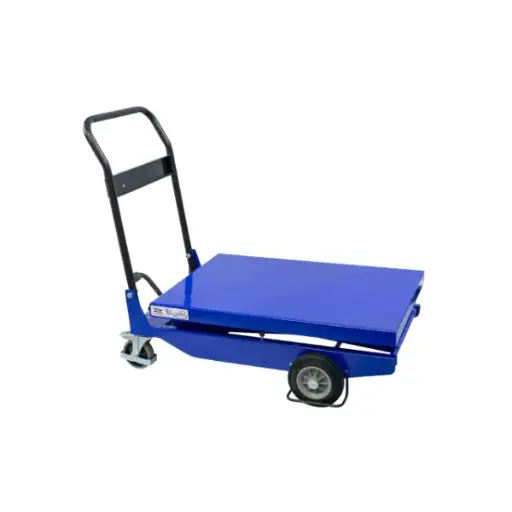
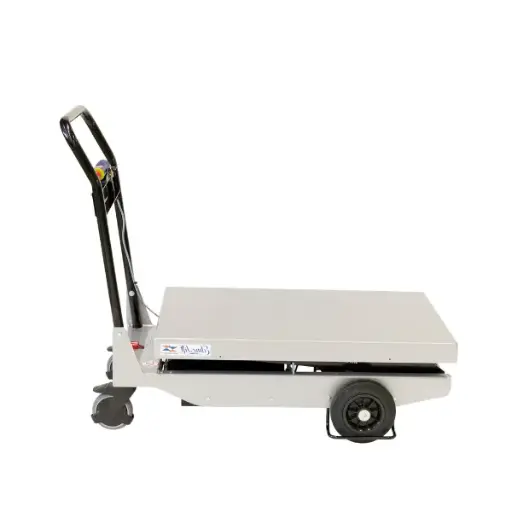
Edmolift scissor lift carts, foot-operated or battery-powered, with a 900×600 mm platform.
See also: Scissor lift carts · Ergonomics and standard work
03
Custom Green Frame kit carts
When the kit has an unusual shape, the cart is built around it with the tube system.
The problem
Standard carts that don't hold the parts properly, kits damaged in transit.
The solution
GF-N Ø 28 mm tube system with caster connectors, foot-operated parking brakes and corner connectors for stackable platform carts.
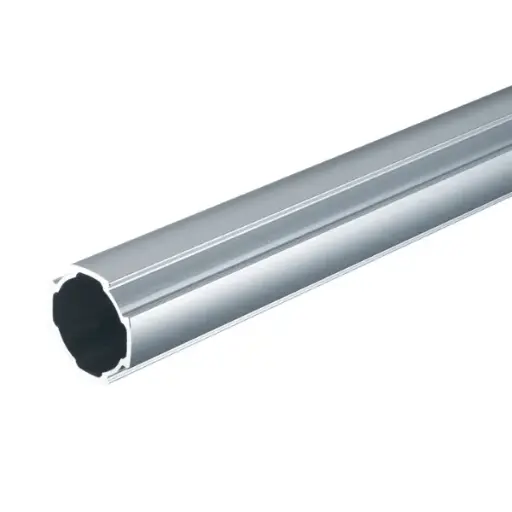
GF-N profile
Ø 28 mm tube
The standard Green Frame profile for workstations, shelving and carts.
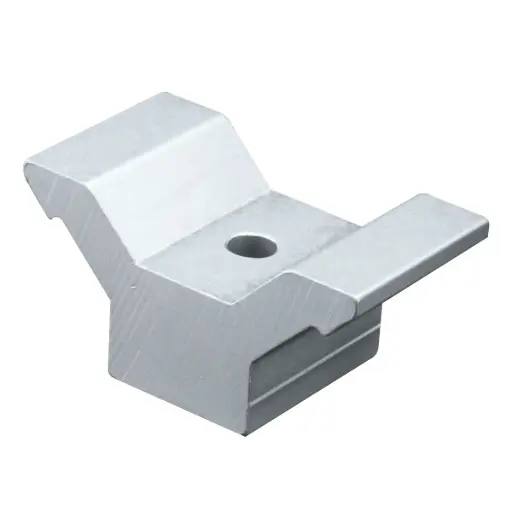
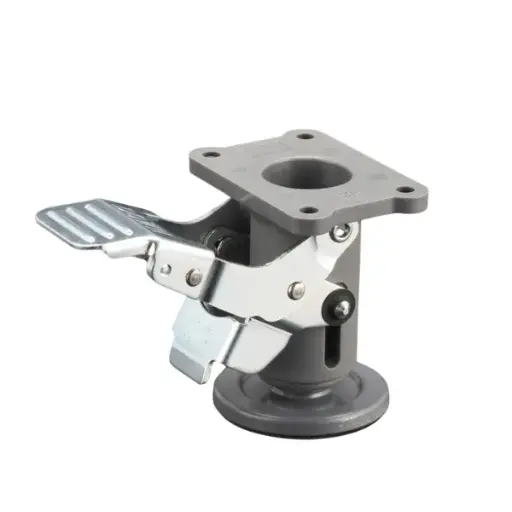
Foot-operated parking brake
The cart stays put
Press the pedal and the foot lowers to the floor.
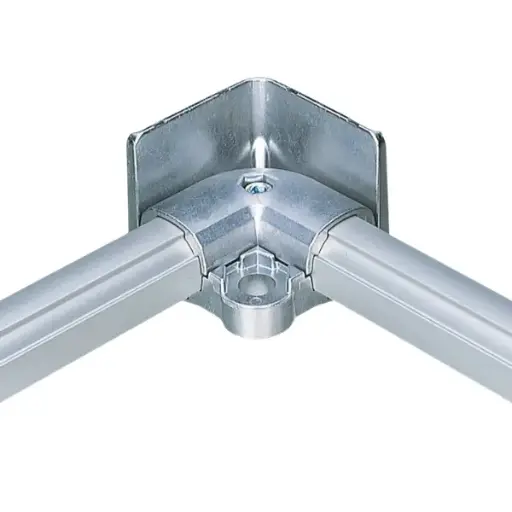
Corner connector for platform cart
Stackable platforms
Joins two tubes at 90° and holds a caster; empty carts can be stacked.
See also: Green Frame · Green Frame quick guide
04
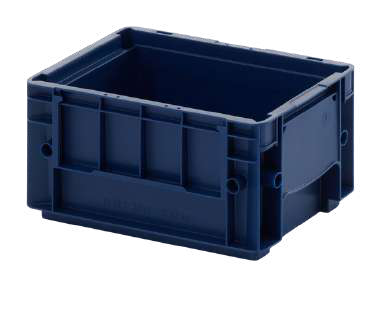
Kit containers
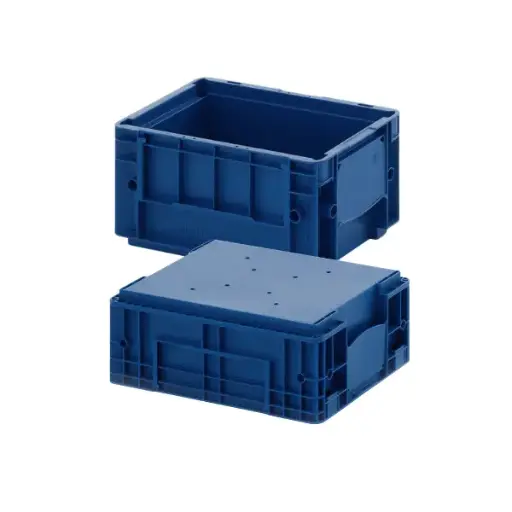
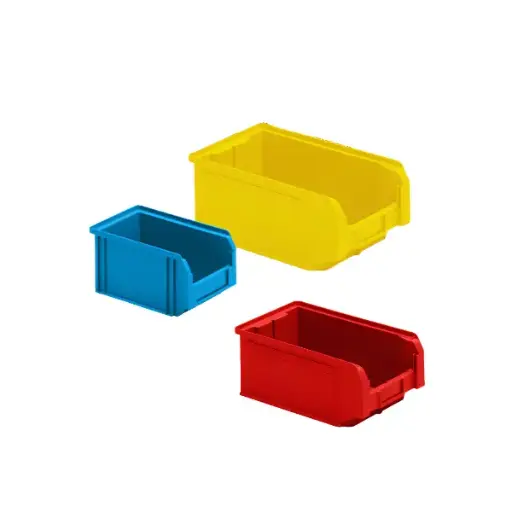
A place for every part: standard containers, open-fronted or with drawers.
The problem
Loose parts on the shelf, small parts all mixed up.
The solution
VDA standard KLT, open-fronted picking bins and modular drawer units for small parts.
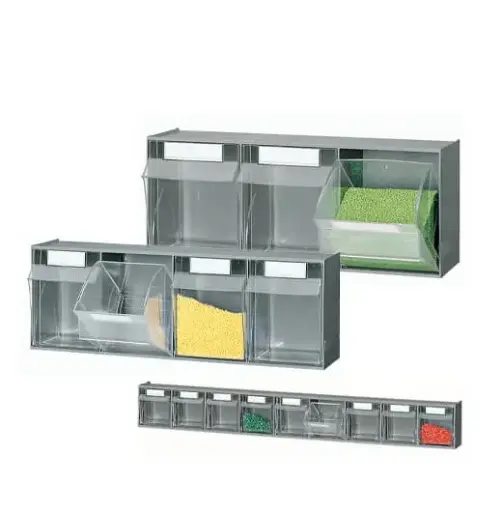
Small-parts drawer unit
Transparent drawers
From 2 to 9 drawers, modules that sit side by side.
See also: Containers, pallets and lids · Supermarket and FIFO
Tools to get started
Dollies, milk run and Park Station
Profiles and connectors for carts
We design the cart with you
Have an industrial project to develop?
Choose where to start. Or call us: +39 0434 572757.
Robot demo at your site
We bring the robot to your shop floor and you see it working on your own routes.
On-site visit
We come to see your shop floor, flows and spaces, and propose the right solution.