Kanban is the physical signal of pull: a card that travels with the container and returns to the picking point when the contents are used up. You produce and replenish only what the line consumes. On the shop floor the mechanism nearly always jams in the same places: here are six checks to make by following the card around its loop.
1 · Does the card stay on the container?
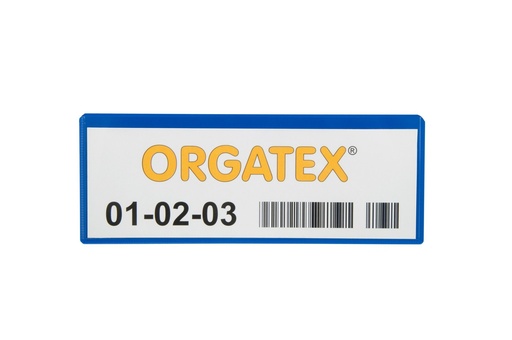
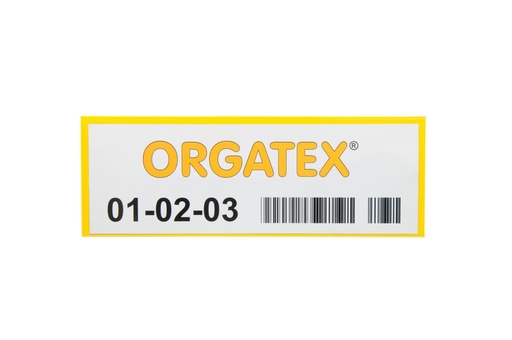
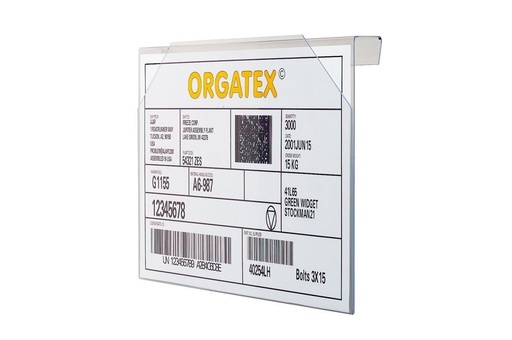
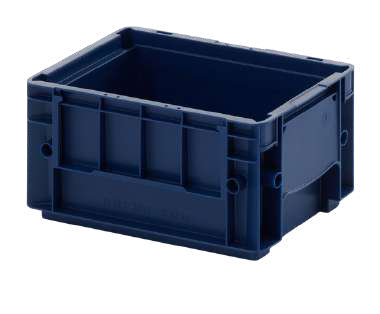
Adhesive pouches that come off, cards tucked between the parts, barcodes the scanner cannot read: if the card gets lost, reordering is done “by eye”. A card in a generic pouch comes off and gets wet. Rigid card holders to VDA 4902 slot into the seats of KLT containers, resist UV light and can be read with a scanner. For containers without a seat there are hanging versions.
2 · Does the empty card have a place to go back to?
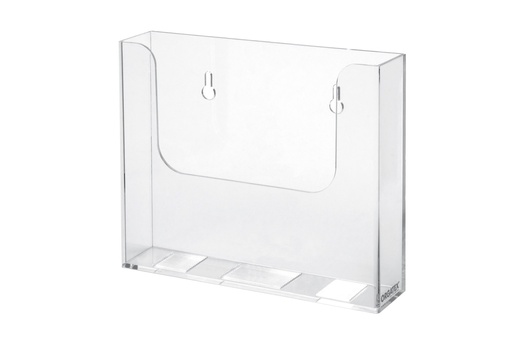
When the container is empty, the card goes into the mailbox: the mizusumashi collects it on every round and reorders. If it stays on the bench or in a pocket, the collection round is missed and the reorder arrives late. You need a kanban mailbox at every point of use, clearly visible, and containers with a seat for the card.
3 · Does the board show what is on order and what is urgent?
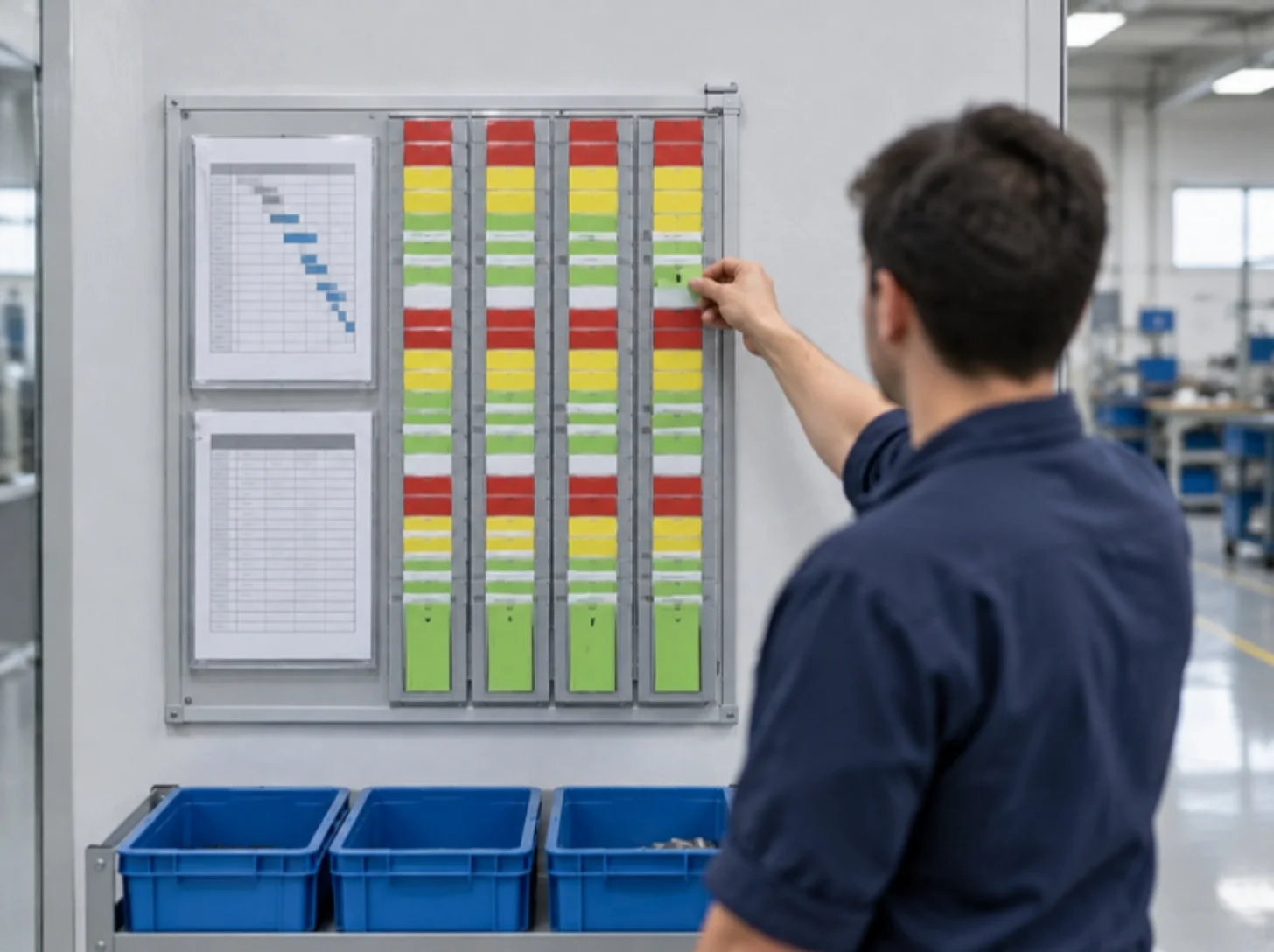
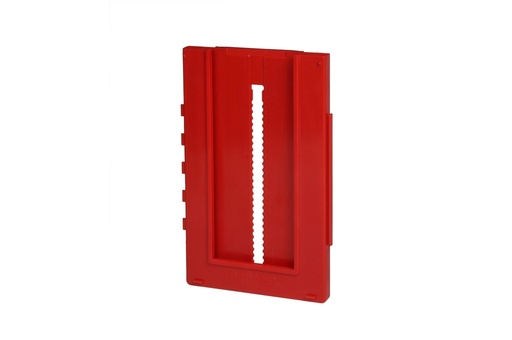
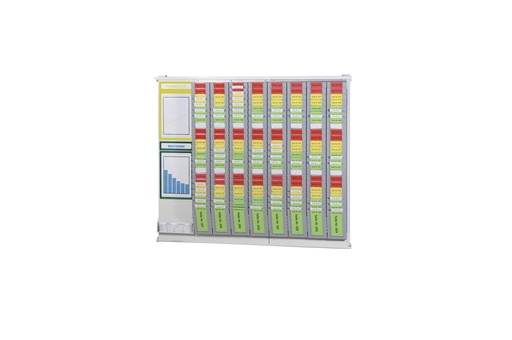
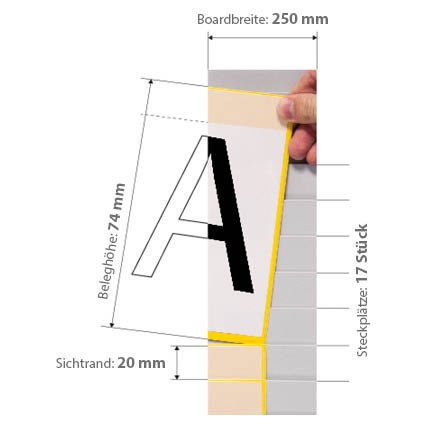
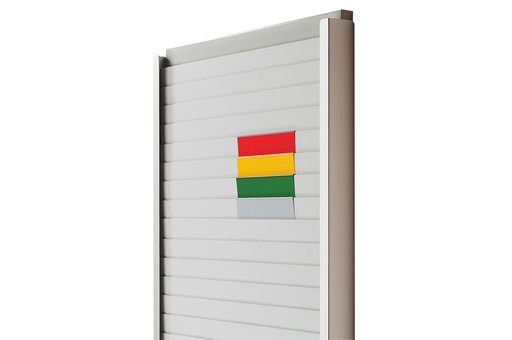
If planning lives in a file in the office, nobody on the shop floor knows which kanbans have been released and which are late. The kanban board lays the cards out in rows and columns in front of those who replenish and those who plan; the red, yellow and green traffic light shows at a glance what is urgent. A board nobody updates is almost always a board where the cards have no physical place.
4 · Is there only one stock at the line side?
The clearest sign of a kanban that is not working is double stock: one managed by the system, one by the fear of running out. It appears when cards get lost or are rewritten by hand and nobody trusts the reorder any more. Before raising quantities, go back over the first three checks.
5 · Does material arrive when the card asks for it?
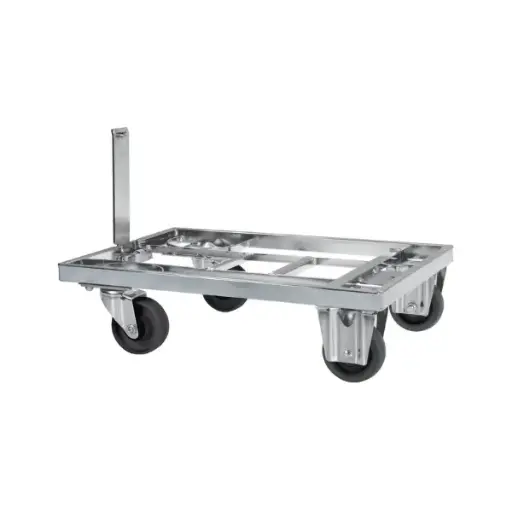
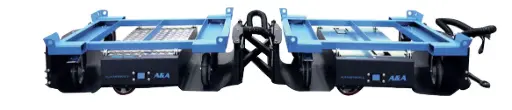
The card authorises the movement, but does not carry it out. If the kanban says replenish and material arrives whenever the forklift driver is free, the system goes back to push. The physical flow has to be built: gravity roller tracks for supermarkets, where full containers flow down to the operator, and dollies with a tugger train for the mizusumashi round, with no forklifts.
For the replenishment round see also: Milk run: 5 mistakes that make it fail.
6 · In ESD areas, are the holders the right ones?
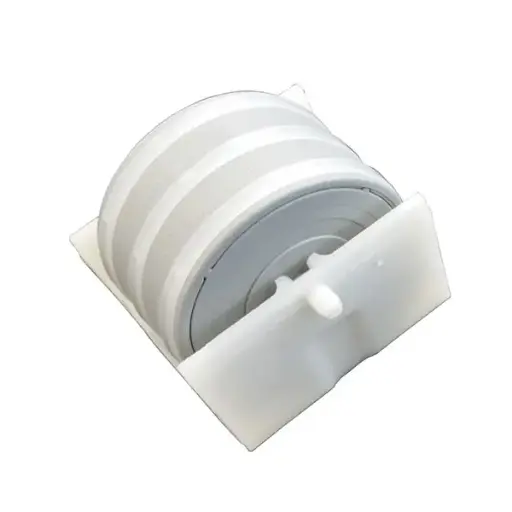
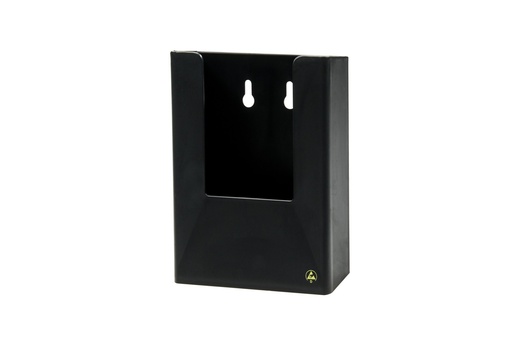
Card holders and mailboxes in ordinary plastic cannot enter an EPA. The same holders exist in dissipative material, compliant with DIN EN 61340-5-1: kanban works the same way in areas protected against electrostatic discharge.
Frequently asked questions
What is a kanban card?
It is the physical signal of pull: a card that travels with the container and returns to the picking point when the contents are used up. It authorises producing or replenishing only what has been consumed.
Is electronic or physical kanban better?
Electronic kanban moves data, not containers. On the shop floor the signal has to be where the material is: on the container, on the roller track, on the board in front of whoever replenishes.
How can you tell kanban is not working?
From three signs: cards lost or rewritten by hand with reorders done “by eye”; a kanban board nobody updates; double stock at the line side.
How many cards does a kanban mailbox hold?
Up to 40 cards. It is made of transparent plastic, wall-mounted or magnetic, in formats from A6 to A4.
Find out more
Kanban: the principle and the tools · Kanban system: how to choose · Kanban configurator · Card holders for containers · Kanban and heijunka boards · Visual management for EPAs
Want to set up or review a kanban? Write to us: we start from your real containers and consumption.