The line-side supermarket is the minimum stock that decouples logistics from production: full containers flow down to the operator, empties go back, and the kanban says when to reorder. FIFO means the first container in is the first one out. It only really works when the picking order is enforced by the structure, not by discipline: here are six checks to make in front of the rack.
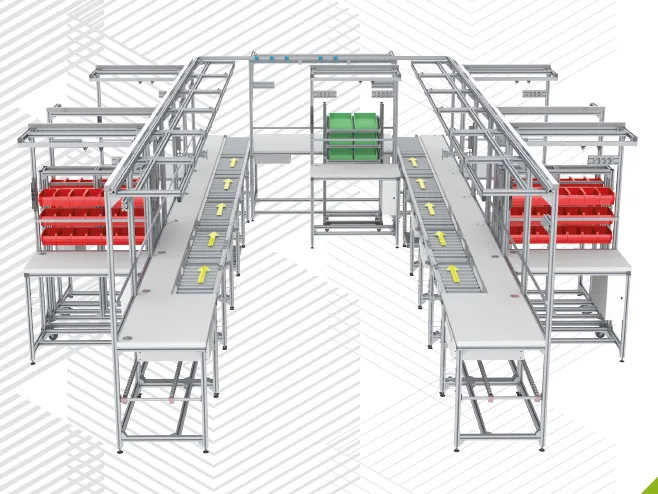
1 · Is it loaded at the back and picked at the front?
Static shelving is loaded and picked from the same side: the back never empties and the oldest material stays there, where it ages, gets damaged or becomes obsolete. In a flow rack the roller tracks are inclined: the logistics operator replenishes from the aisle, the operator picks without moving and replenishment no longer enters the workstation.
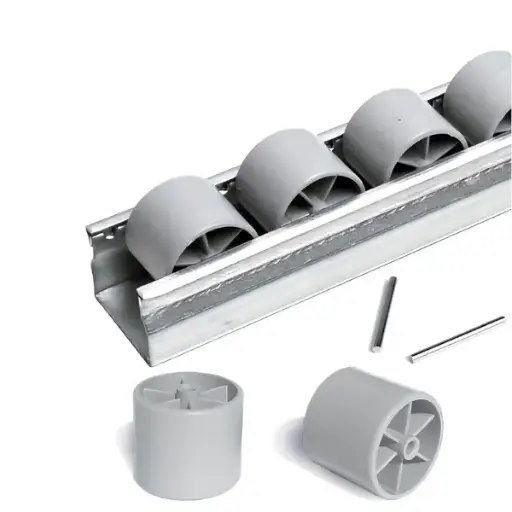
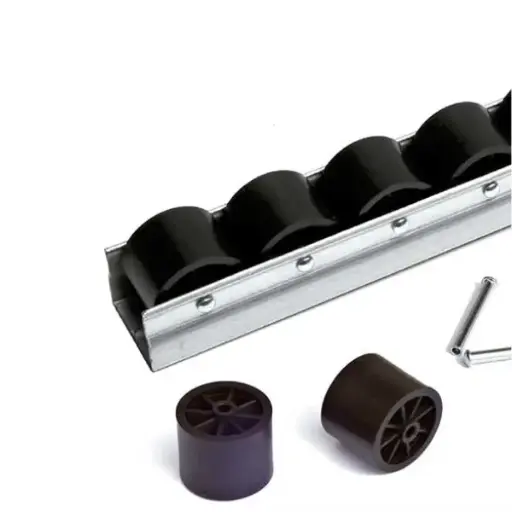
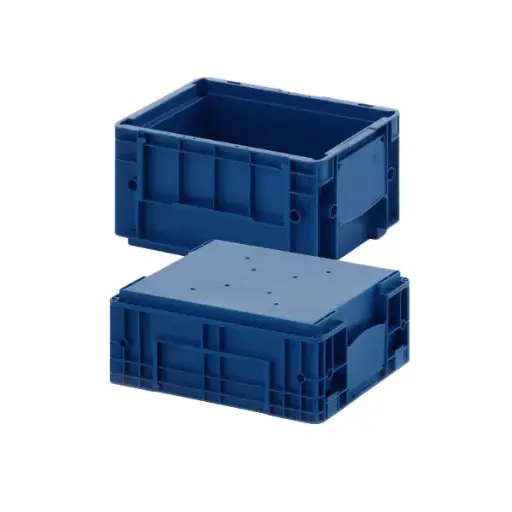
2 · Does each lane hold a single part number?
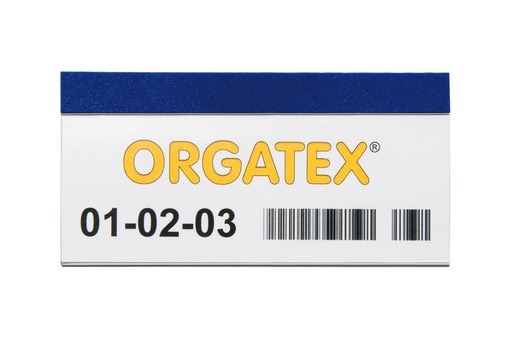
Containers with different part numbers in the same lane force the operator to search, and FIFO breaks down. One lane per part number, identified so it can be read from the picking side: a coloured edge per lane helps avoid mixing up part numbers between neighbouring lanes.
3 · Does the stock have a fixed size?
Without a supermarket, every workstation keeps its own “safety” stock and nobody knows how much there really is. With one flow rack per part number, stock has a fixed size, set by the length of the lane: you can see when it is full and when it is running out, without counting.
4 · Do containers arrive one at a time and without impact?
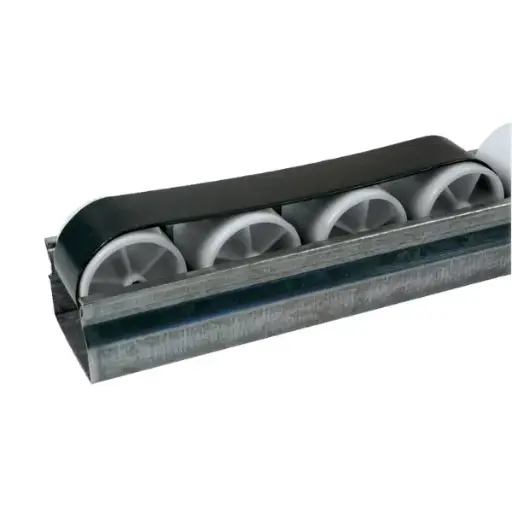
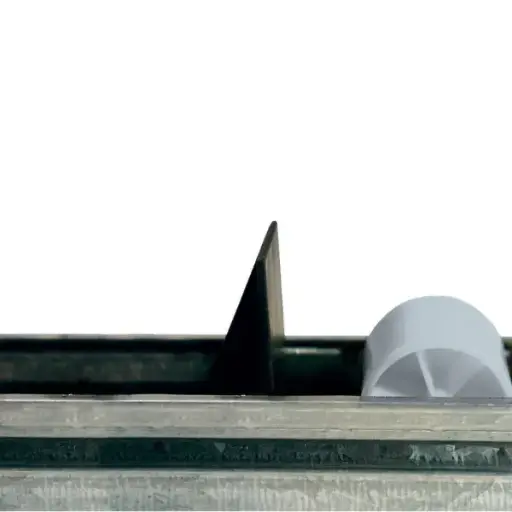
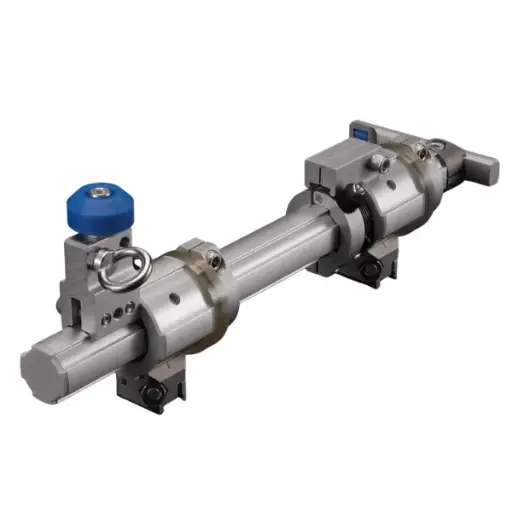
Containers banging into the end of the lane, queues pushing on the first piece, boxes rolling back: gravity flow has to be kept under control, without motors. Brakes, stops and singulators slow down, hold back and release one container at a time.
5 · Are large loads queued on the floor?
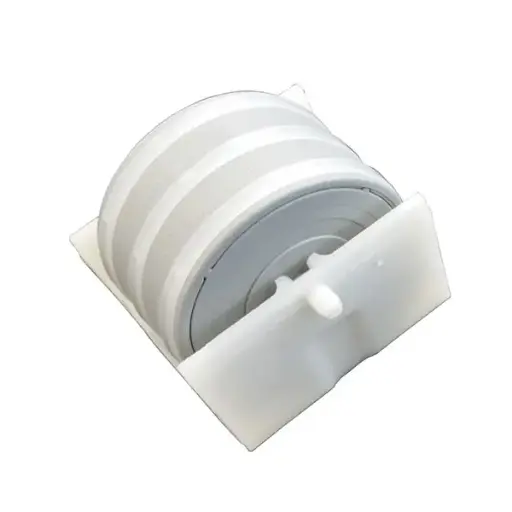
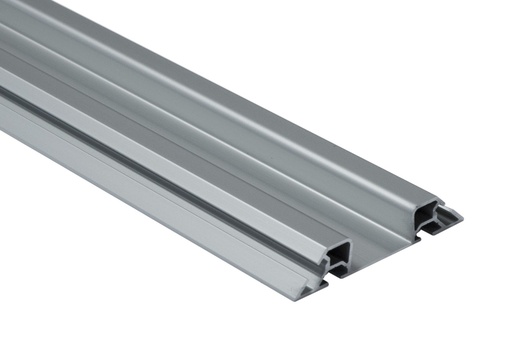
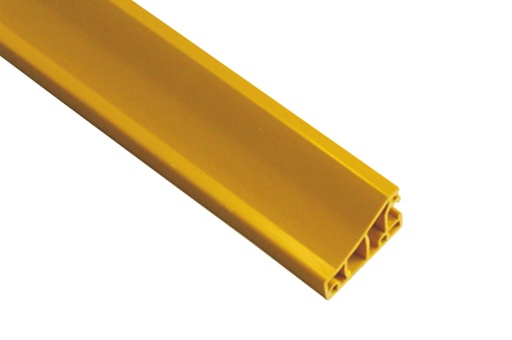
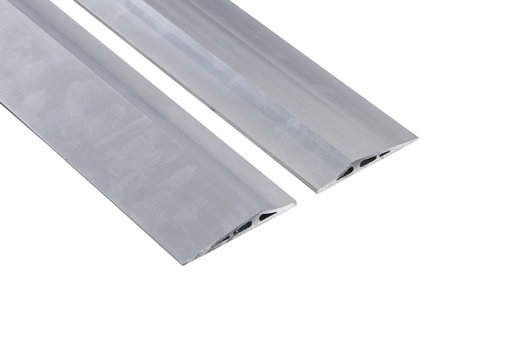
When the container is too big for the rack, the FIFO lane goes on the floor. Dollies parked at random mean the last one in is always picked first. Rails guide the wheels from the loading side to the picking side; the Park Station stops the trolley at the same spot every time.
For the round that replenishes the lanes see also: Milk run: 5 mistakes that make it fail.
6 · Does reordering start from a card?
If reordering is done by eyeballing the rack, the supermarket goes back to being a warehouse. The kanban card sits on the container and goes back when the container is empty: it is the card that says when to reorder.
For the checks on the card see also: Kanban: 6 checks for a card that does not get lost.
Frequently asked questions
What is a line-side supermarket?
It is the minimum stock that decouples logistics from production: full containers flow down to the operator, empties go back and the kanban says when to reorder.
What does FIFO mean?
First in, first out: the first container in is the first one out. It prevents older material from sitting at the back of the shelf, where it ages, gets damaged or becomes obsolete.
What is the difference between a flow rack and static shelving?
Static shelving is loaded and picked from the same side, so the back never empties. In a flow rack the roller tracks are inclined: you load at the back, pick at the front, and the first container loaded is necessarily the first to reach the operator.
How do you run FIFO with dollies and trolleys?
With a floor lane: rails guide the wheels from the loading side to the picking side and the Park Station stops the trolley at the same spot every time.
Find out more
Supermarket and FIFO: the principle and the tools · Gravity roller tracks · Floor FIFO lanes · FIFO lane configurator · Green Frame quick guide · Kanban and pull
Want to size a supermarket or a FIFO lane? Write to us: we start from your real containers and consumption.