5S is not done once: it is measured. An audit run with the same questions every time tells you in a few minutes whether the department is improving or whether the clutter is coming back. Here is a 25-question checklist, five for each S, to use on a walk through the department.
How to use it
Give each question a score from 0 to 4: 0 not done, 1 started, 2 halfway, 3 almost always, 4 always and visible to everyone. Each S is worth up to 20 points, the department 100. Audit the same area at the same interval and rotate the auditor: someone from another department sees what the people working there no longer notice. Take a photo of the worst spots and post the result on the area board.
Download the checklist as a PDF (2 pages)
1–5 · Seiri – Sort
- Is there only what is needed today in the area? Materials, tools and documents not used in the current work leave the area.
- Do doubtful items have a red tag? With a date and a holding area: if nobody claims them by that date, they are removed.
- No scrap, defective parts or idle empty bins? On benches, on shelves and on the floor.
- Does line-side stock stay within a maximum? The minimum and maximum are written on the spot, not kept in someone's head.
- Notice boards and walls free of out-of-date documents? An old sheet next to a new one leads to mistakes.
6–10 · Seiton – Set in order
- Does every tool have a fixed place with an outline or label? If it is missing, you must see it without opening drawers.
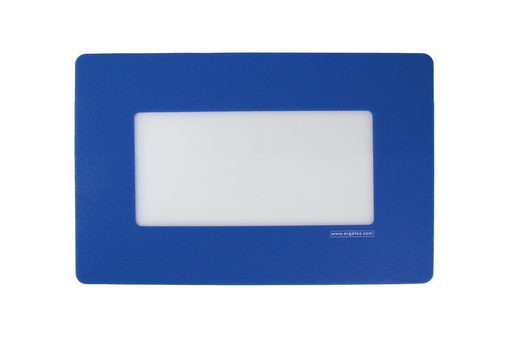
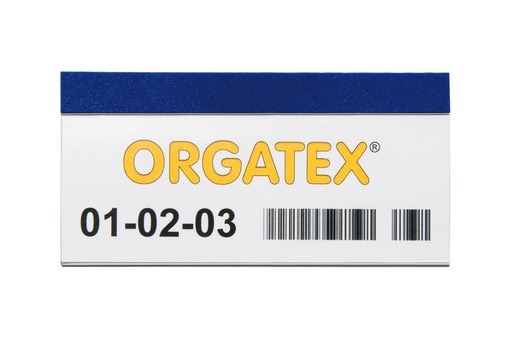
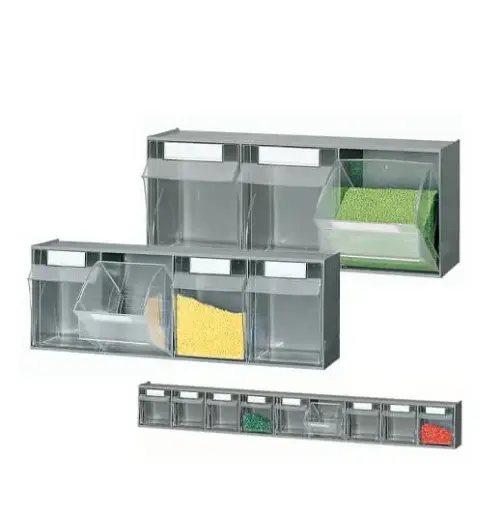
- Are shelves and containers identified? Labels readable from where you pick, not only close up.
- Do pallets, trolleys and floor containers have a marked location? Every load has a named place; anything out of place stands out.
- Are aisles and walkways marked and clear? No load parked on the lines.
- Is what is used most often closest to the point of use? Rarely used items can be further away; frequent ones must be within reach.

11–15 · Seiso – Shine
- Are floors, machines and benches clean right now? You score the state at the time of the audit, not yesterday's.
- Is a cleaning plan on display? Who, what, when and with what: written in the area, not in the office.
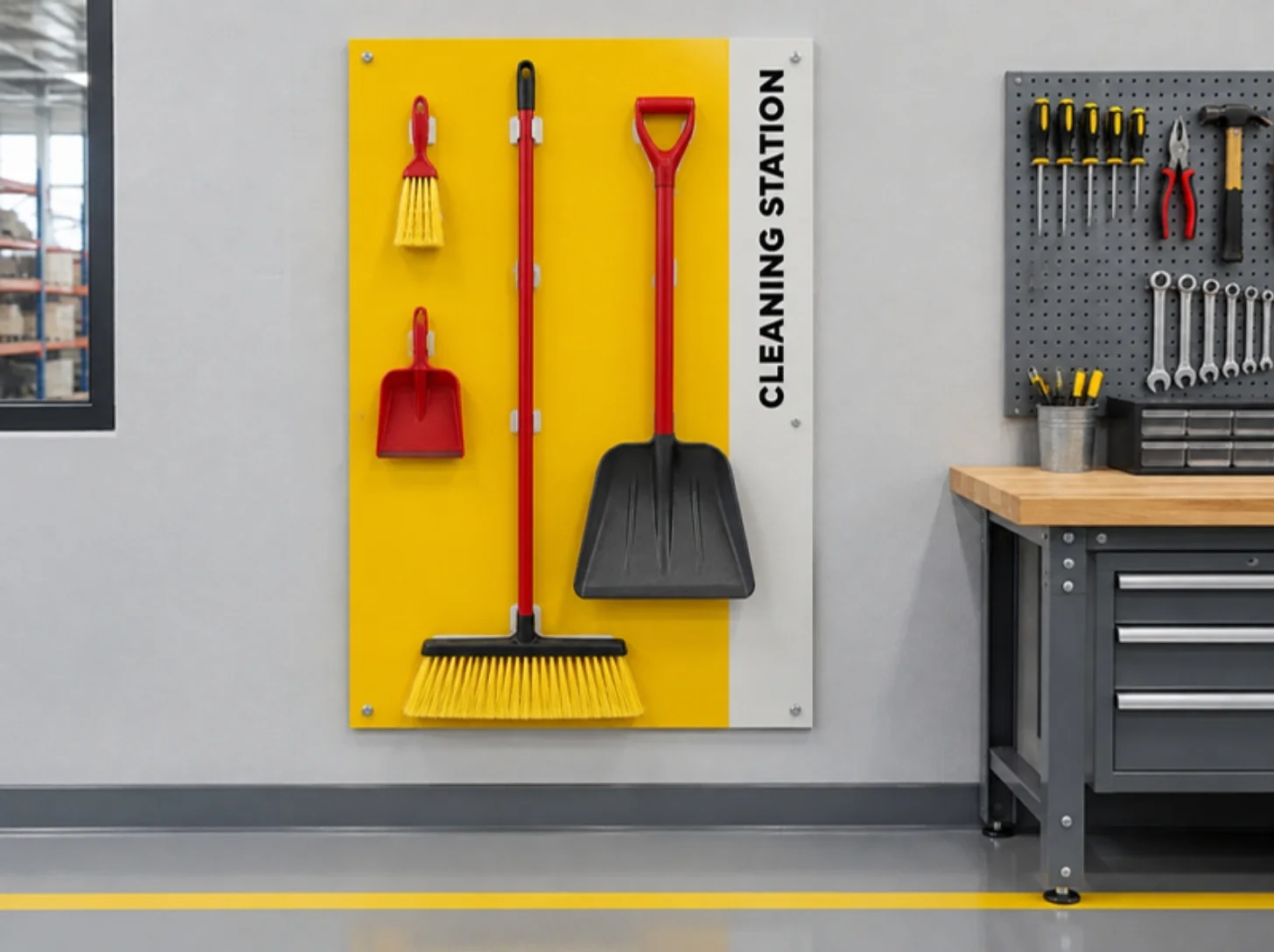
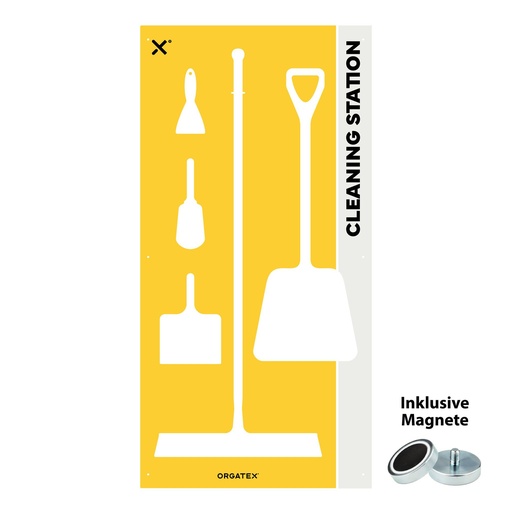
- Do cleaning tools have a place and are they complete? One colour per area prevents tools from wandering between departments.
- Do anomalies found while cleaning have an open action? Leaks, chips, wear: cleaning is how you see them before the breakdown.
- Are the hard-to-reach corners as clean as the rest? Under machines, behind shelving, on top of cabinets.

16–20 · Seiketsu – Standardise
- Are aisle and zone colours the same across the whole plant? The colour code is written down and everyone knows it.
- Is the floor marking intact? A torn line stops being respected: where trucks pass you need a heavy-duty tape.
- Are instructions and standards at the machine and up to date? Protected, legible, with the revision date.
- Can you tell normal from abnormal at a glance? Visible signs, levels and limits, without asking anyone.
- Is there a photo of how the area should look? The best standard is a picture hung in the right place.



21–25 · Shitsuke – Sustain
- Is the latest audit on display in the area? With the score, the date and the trend compared with earlier ones.
- Are the actions from the previous audit closed? Every action has an owner and a date.
- Can the people working in the area explain the rules? Ask someone at random, not the supervisor.
- Is the audit carried out at the planned interval? A skipped audit is the first sign that 5S is slipping.
- Is there a short meeting in front of the department board? A few minutes, standing, on the area's figures.



After the audit
The score alone does not change the department. Take the three questions with the lowest marks, write one action for each with an owner and a date, and check at the next round whether they are closed. Plotting the five S scores on a radar chart, one per audit, shows at once where the department is out of balance.
Frequently asked questions
How is a 5S audit scored?
Each question scores 0 to 4: 0 not done, 1 started, 2 halfway, 3 almost always, 4 always and visible to everyone. With five questions per S, each S is worth up to 20 points and the department 100.
What do the 5S stand for?
Seiri, sort what is needed from what is not; Seiton, set in order; Seiso, shine; Seiketsu, standardise; Shitsuke, sustain over time.
Who should carry out the 5S audit?
It pays to rotate the auditor: someone from another department sees what those who work there no longer notice. The audit is always done on the same area and at the same interval.
What do you do after the audit?
Take the three lowest-scoring questions and write an action for each, with an owner and a date. On the next round, check that they are closed. The result goes on the area board.
Would you like to run the first audit with us? Write to us: we come to your department and start from the real scores.