Jidoka is the second pillar of the Toyota Production System: the process stops when something goes wrong, instead of producing defective parts. Andon is the signal that tells everyone where the problem is; poka-yoke prevents the error before it happens. A hidden problem turns into scrap, rework or a complaint: here are five checks to see whether problems on your shop floor show up when they happen.
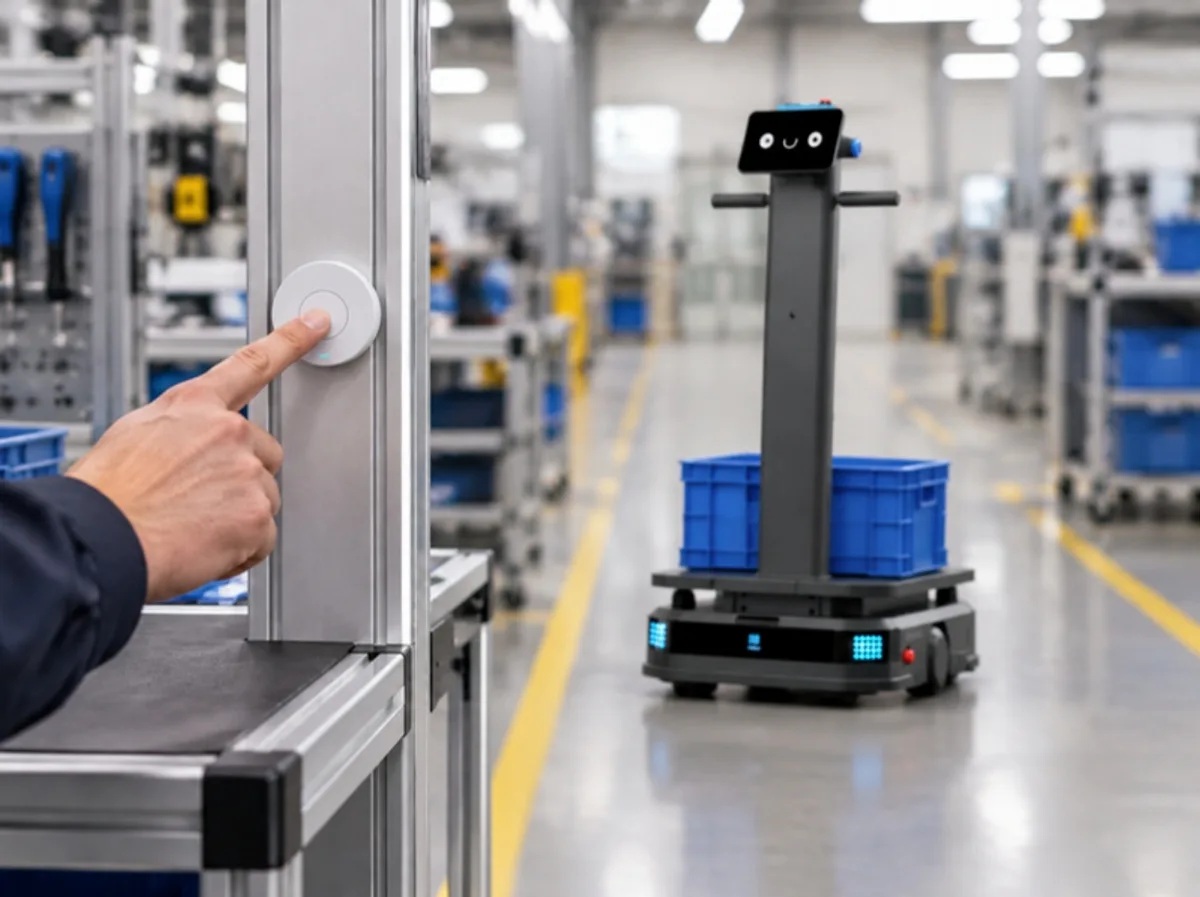
1 · Can the operator call without leaving the workstation?
If the person working has to wait for material or the shift supervisor with no way to call them, or leaves the workstation to look for the forklift driver, the problem costs twice: the stoppage and the walk. You need a button at the workstation. A LoRa wireless call network needs no wiring and suits large sites or changing layouts.
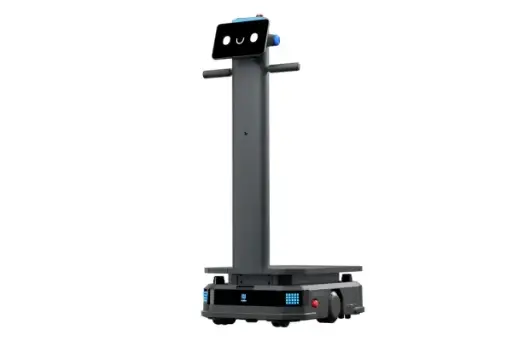
2 · Does something answer the call, not just someone?
A call that goes unanswered soon stops being used. When the request is for material, the answer can be automatic: with PUDU robots the call brings the material to the workstation, and the person working stays put.
3 · Can the status of each line be read in passing?
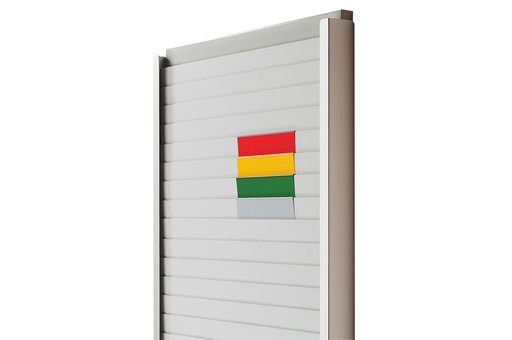
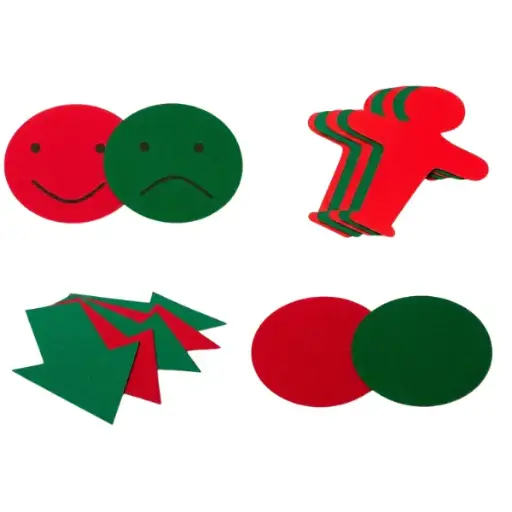
If delays and stoppages are discovered in the next day's report, there is no andon. Green, yellow, red: the status of every line or area has to be readable from a distance, without asking. A traffic light on the board and red/green symbols you flip, with no writing, are enough.
To measure whether the standard holds see also: 5S audit: 25 questions to see if your department is holding up.
4 · Do open problems have a place where they stay visible?
A problem flagged right away is solved where it starts, with the person who saw it. But if it vanishes after the call, it will come back. You need an issue log filled in at the workstation and a board where open cards stay in view until they are closed.

5 · Do recurring errors have a device, not a reminder?
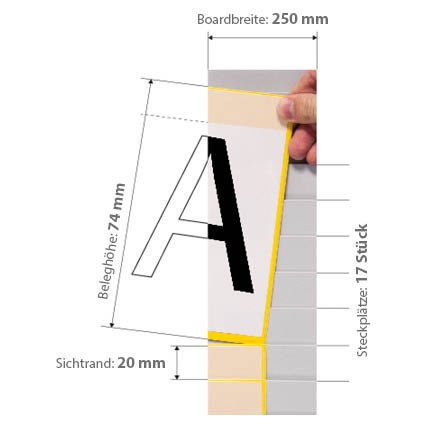
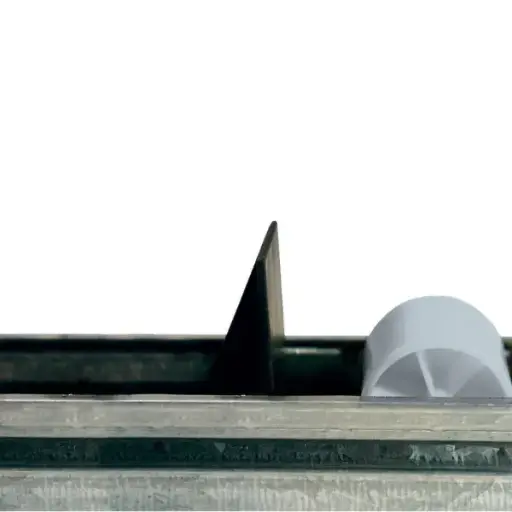
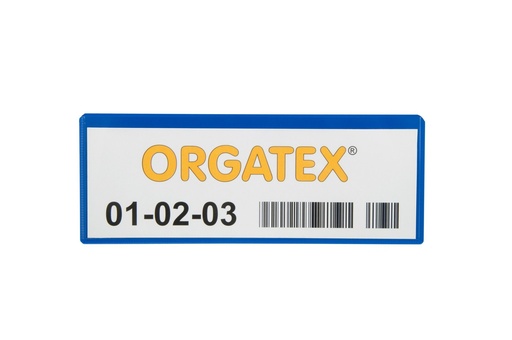
An error that keeps coming back and is tackled with “more attention” will come back again. Poka-yoke is a mechanical device that forces the right action: containers that cannot roll back, trolleys that always stop in the same place, colour-coded cards that tell part numbers apart.
For one-way lanes see also: Supermarket and FIFO: 6 checks for stock that does not age.
Frequently asked questions
What is andon?
It is the signal that tells everyone where there is a problem, at the moment it happens. It can be a call button, a traffic light or a red/green symbol on the area board.
What does jidoka mean?
It is the second pillar of the Toyota Production System: the process stops when something goes wrong, instead of producing defective parts. That is why in TPS anyone can stop the line and ask for help.
What is the difference between andon and poka-yoke?
Andon flags the problem when it happens; poka-yoke prevents the error before it happens, with a mechanical device that forces the right action.
Do you need to wire the shop floor to have call buttons?
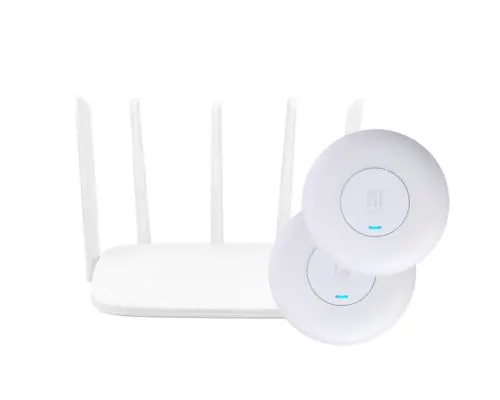
No. The PUDU Pager kit is a LoRa wireless call network: 10 buttons, a gateway and 2 modules, with no wired infrastructure.
Find out more
Jidoka and andon: the principle and the tools · PUDU call and connectivity · Autonomous logistics · Kanban and heijunka boards · Karakuri · Kaizen and PDCA
Want to bring call buttons and visual status to your shop floor? Write to us: we start from the stoppages you find out about too late today.